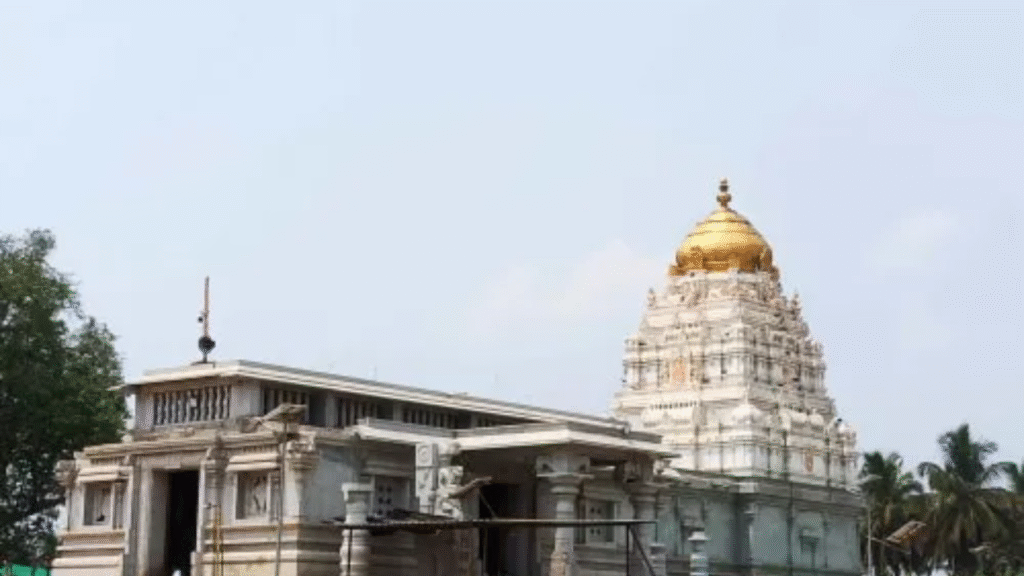
The Sri Bhoo Varahanatha Swamy Temple stands as a deeply revered shrine dedicated to Lord Varaha, the third incarnation of Lord Vishnu, worshipped in his divine boar form. This temple holds immense spiritual importance for devotees who seek protection, stability, and liberation from worldly troubles. Rooted in ancient Vaishnavite tradition, the temple symbolizes the victory of dharma over chaos and the eternal bond between the divine and Mother Earth.
Surrounded by a serene and spiritually charged atmosphere, the Sri Bhoo Varahanatha Swamy Temple attracts pilgrims, scholars, and spiritual seekers throughout the year. Its sacred legends, powerful rituals, and timeless devotion make it a significant place of worship in the Hindu spiritual landscape.
| Temple Name | Sri Bhoo Varahanatha Swamy Temple |
| Primary Deity | Lord Bhoo Varahanatha Swamy (Varaha Avatar of Lord Vishnu) |
| Consort | Bhoo Devi (Earth Goddess) |
| Avatar Significance | Third incarnation of Lord Vishnu |
| Religious Tradition | Vaishnavism |
| Temple Significance | Symbolizes divine protection, restoration of Earth, and victory of dharma |
| Mythological Origin | Lord Varaha rescued Bhudevi from demon Hiranyaksha |
| Architecture Style | Traditional South Indian temple architecture |
| Main Rituals | Suprabhatam, Abhishekam, Archana, Alankaram, Aarti |
| Major Festivals | Varaha Jayanti, Vaikunta Ekadasi, Brahmotsavam, Dhanurmasa |
| Best Time to Visit | Early mornings and during major Vaishnavite festivals |
| Ideal For | Devotees seeking protection, stability, spiritual growth |
| Cultural Importance | Ancient center of Vaishnavite worship |
| Spiritual Belief | Worship removes obstacles and grants inner peace |
| Temple Atmosphere | Peaceful, devotional, spiritually uplifting |
Mythological Significance of Lord Varaha
The story of Lord Varaha is one of the most profound episodes in Hindu mythology. According to ancient scriptures, the demon Hiranyaksha dragged Bhudevi, the Earth Goddess, into the cosmic ocean, threatening the balance of the universe. Responding to this crisis, Lord Vishnu manifested as Varaha, a colossal boar, plunged into the depths of the ocean, defeated the demon, and lifted Bhudevi on his tusks, restoring her to her rightful place.
The Sri Bhoo Varahanatha Swamy Temple commemorates this divine act of protection and restoration. Lord Varaha is worshipped here as the preserver of life, the guardian of the earth, and the embodiment of unwavering strength combined with compassion.
Temple Timings
| Day | Morning Timings | Evening Timings |
|---|---|---|
| Monday – Sunday | 6:00 AM – 12:30 PM | 4:00 PM – 8:30 PM |
Spiritual Importance of the Temple
The temple is considered a powerful center of Vaishnavite worship. Devotees believe that offering prayers here removes obstacles, protects families, and grants spiritual clarity. The presence of Bhoo Devi alongside Lord Varahanatha emphasizes harmony between the divine and nature.
Pilgrims often visit the temple to seek blessings for:
- Stability in life and career
- Protection from unseen dangers
- Relief from ancestral and karmic issues
- Spiritual growth and inner peace
The vibrations within the sanctum are believed to be especially potent, making the temple an ideal place for meditation and prayer.
Architecture and Sacred Layout
The architectural style of the Sri Bhoo Varahanatha Swamy Temple reflects traditional South Indian temple design with intricate stone carvings and symbolic elements. The gopuram at the entrance welcomes devotees into a sacred realm, while the inner corridors lead to the sanctum housing the majestic idol of Lord Bhoo Varahanatha Swamy.
The deity is depicted lifting Bhudevi gracefully on his tusk, a powerful visual representation of divine protection. The calm yet commanding posture of Lord Varaha inspires devotion and reverence. The temple complex often includes smaller shrines dedicated to associated deities, enhancing its spiritual depth.
Daily Rituals and Worship Practices
The temple follows age-old Agama Shastra traditions for daily worship. Each ritual is performed with devotion and precision, preserving the sanctity of the shrine.
Key daily rituals include early morning Suprabhatam, followed by Abhishekam, where the deity is bathed with sacred substances such as milk, honey, and water. This is followed by Alankaram, where the Lord is adorned with flowers and ornaments.
Special Archana and Naivedyam offerings are made throughout the day, while evening rituals conclude with Aarti and devotional chanting. Devotees believe that participating in these rituals brings peace and fulfillment.
Festivals Celebrated at the Temple
Festivals add vibrancy and spiritual energy to the Sri Bhoo Varahanatha Swamy Temple. The most significant celebrations include Varaha Jayanti, which marks the appearance day of Lord Varaha. On this day, the temple witnesses elaborate decorations, special poojas, and devotional singing.
Other major festivals such as Vaikunta Ekadasi, Brahmotsavam, and Dhanurmasa are celebrated with grandeur. During these times, the temple becomes a hub of spiritual activity, drawing devotees from far and wide.
Pilgrimage Experience and Devotional Atmosphere
A visit to the Sri Bhoo Varahanatha Swamy Temple is more than a religious activity; it is a transformative experience. The peaceful surroundings, rhythmic chanting, and the sacred presence of the deity create an environment conducive to introspection and devotion.
Devotees often circumambulate the temple, offering prayers silently while absorbing the spiritual vibrations. The temple also serves as a center for Vaishnavite teachings, encouraging values such as humility, service, and devotion.
Best Time to Visit
While the temple remains open throughout the year, the most favorable time to visit is during the cooler months when the atmosphere is pleasant. Festival days offer a vibrant experience, while weekdays provide a quieter setting for uninterrupted worship.
Early morning hours are considered especially auspicious, as the temple is calm and spiritually charged during the first rituals of the day.
Cultural and Religious Legacy
The Sri Bhoo Varahanatha Swamy Temple stands as a testament to the enduring legacy of Hindu mythology and devotion. It reflects the deep-rooted belief that the divine actively protects creation and restores balance whenever it is threatened.
Over generations, the temple has continued to inspire faith, preserve traditions, and guide devotees toward righteous living. Its role in nurturing spiritual consciousness remains as relevant today as it was in ancient times.